
 All articles
Understanding the Context Before Selecting Analyses
Not all contamination events require the same level of investigation. An isolated alert during an exploratory phase, repeated contamination in quality control, or an incident affecting a critical process do not call for the same decisions.
The first step is therefore to gather the relevant information: sample type, history of incidents, culture conditions, sampling points, handling steps, cleaning and disinfection plan, and how results evolve from batch to batch. These elements make it possible to choose a proportionate strategy and avoid two pitfalls: under-investigating a contamination event that may recur, or multiplying analyses without a clear question.
A robust approach must remain decision-oriented: what needs to be understood in order to act effectively? This question guides the choice of analyses and the depth of the investigation.
Isolating Morphotypes: The Foundation of Reliable Interpretation
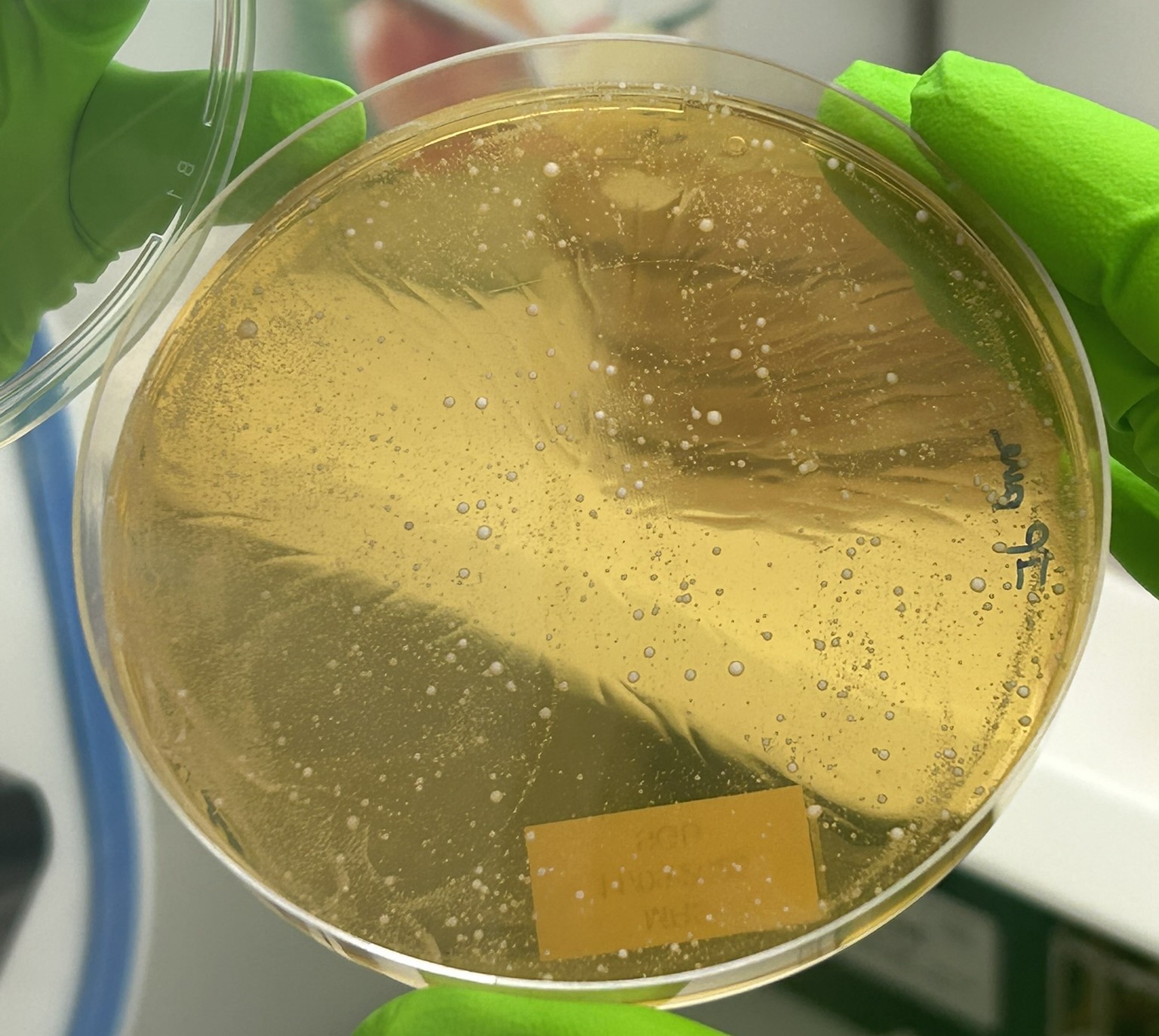
When a contaminated sample is received, it may contain several microbial populations. Colonies observed on agar plates may show different morphotypes, sometimes with very similar visual appearances. Before any identification step, it is therefore essential to observe, distinguish and re-isolate the colonies of interest.
This step makes it possible to obtain pure cultures that can be used for subsequent analyses. It directly determines the reliability of bacterial identification, comparisons between isolates, and resistance testing against cleaning or disinfection products.
At Smaltis, this step draws on extensive experience in microbial culture. Our teams routinely handle both fastidious and non-fastidious species under a wide range of culture conditions. This expertise enables precise reading of agar plates, identification of relevant morphotypes and secure re-isolation steps. In microbiological contamination, the quality of interpretation often begins here: on the plate, even before the choice of identification technology.
Identifying and Comparing Contaminants
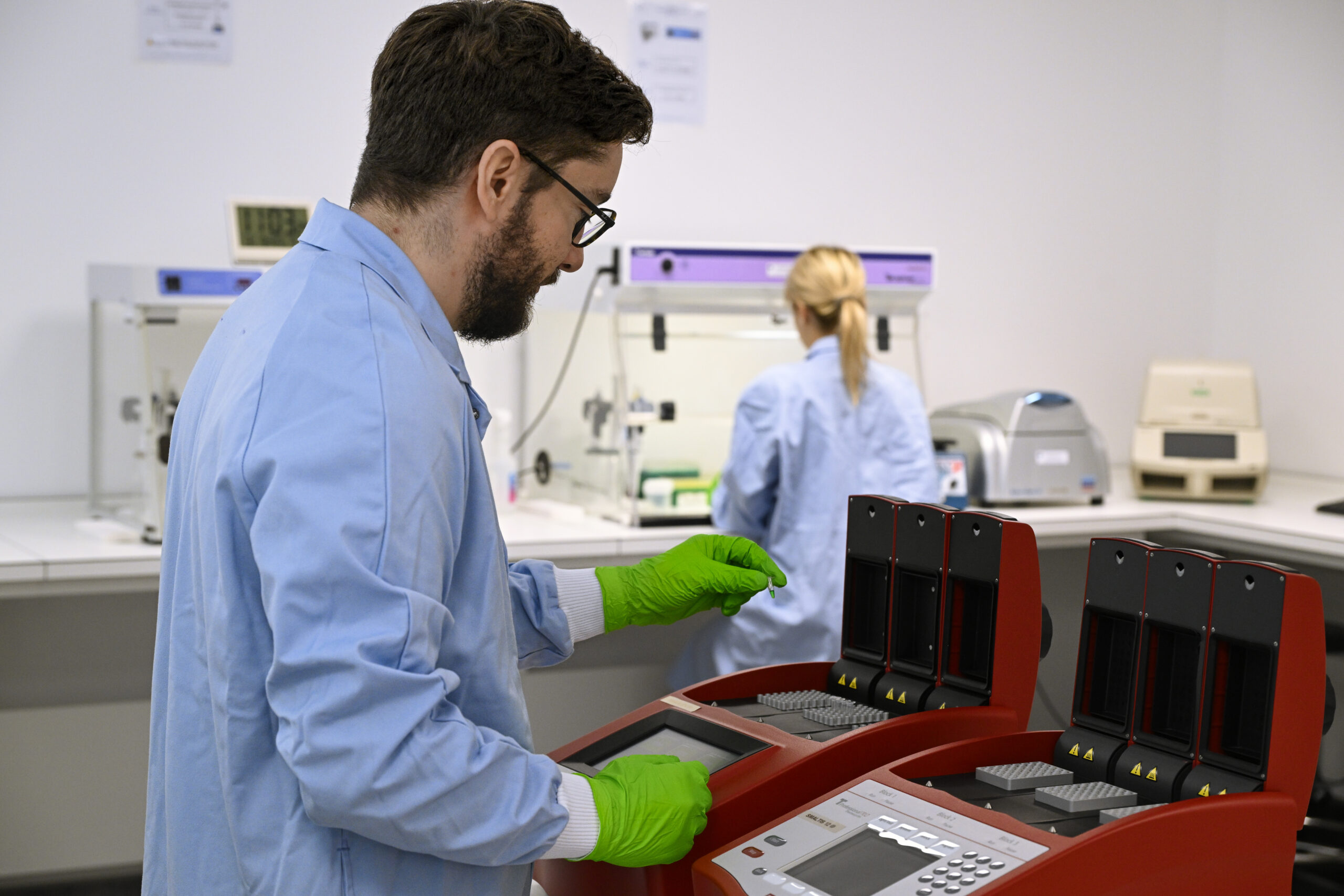
Once isolates have been obtained, the first challenge is to determine what organism is involved. Depending on the context, Smaltis can deploy several bacterial identification approaches: MALDI-TOF mass spectrometry, amplification and sequencing of the gene encoding 16S ribosomal RNA, or whole-genome sequencing when the expected level of resolution justifies it.
Identification gives the contaminant a name. In many situations, however, that name is not enough. When contamination recurs, affects several points in the process, or reappears after a corrective action, isolates must be compared with one another to determine whether they are related.
When whole genomes are available, genomic comparison can finely assess the relatedness between isolates and investigate a genetic link compatible with a common source or persistence within the process. In the absence of whole-genome sequencing data, approaches such as PFGE, or pulsed-field gel electrophoresis, can provide useful insight into clonality.
This comparison often changes the decision-making process. Two isolates belonging to the same species do not necessarily come from the same source. Conversely, very closely related isolates may reveal recurrent contamination linked to an environment, a piece of equipment, a raw material or a handling step. The objective is therefore to move from a simple microbiological finding to an actionable hypothesis regarding the origin of the contamination.
Preserving Isolates to Document the History
In microbiological contamination management, isolates are not merely samples to be analysed once. They can become a microbiological memory of the process.
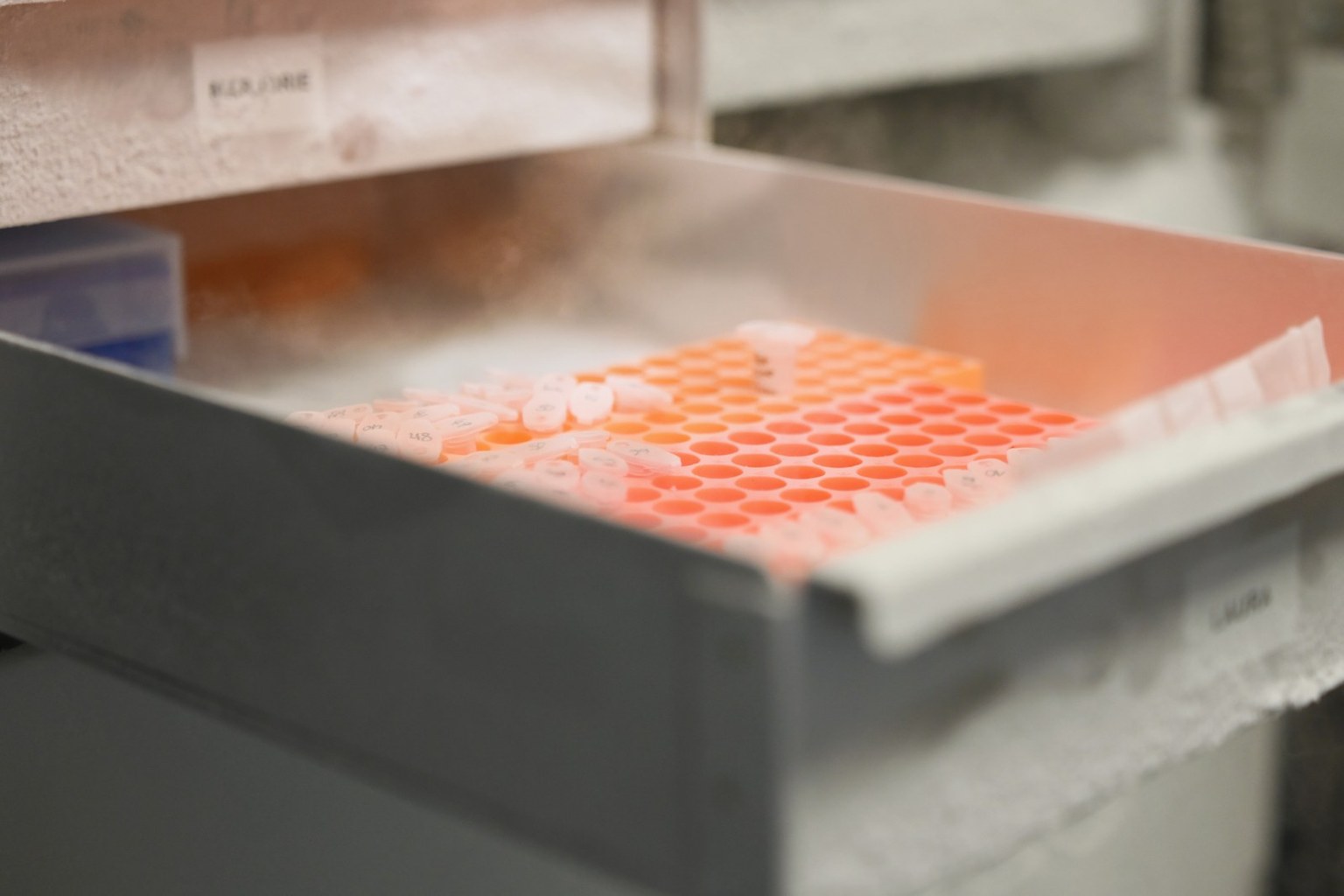
Cryopreservation allows isolated strains to be stored for additional analyses, comparison of a new episode with a previous incident, or verification of the effectiveness of a preventive action. It provides continuity in situations where contamination events are intermittent, partial or difficult to connect with one another.
Smaltis offers storage solutions to secure these isolates over time. The aim is also to make the most of stored samples: keeping them available for new comparisons, enriching the history of a process, documenting recurrence or demonstrating that a corrective action has changed the situation. This traceability helps answer a key question: is this a new contaminant, or the return of a population already observed?
Testing Cleaning, Disinfection and Prevention Solutions
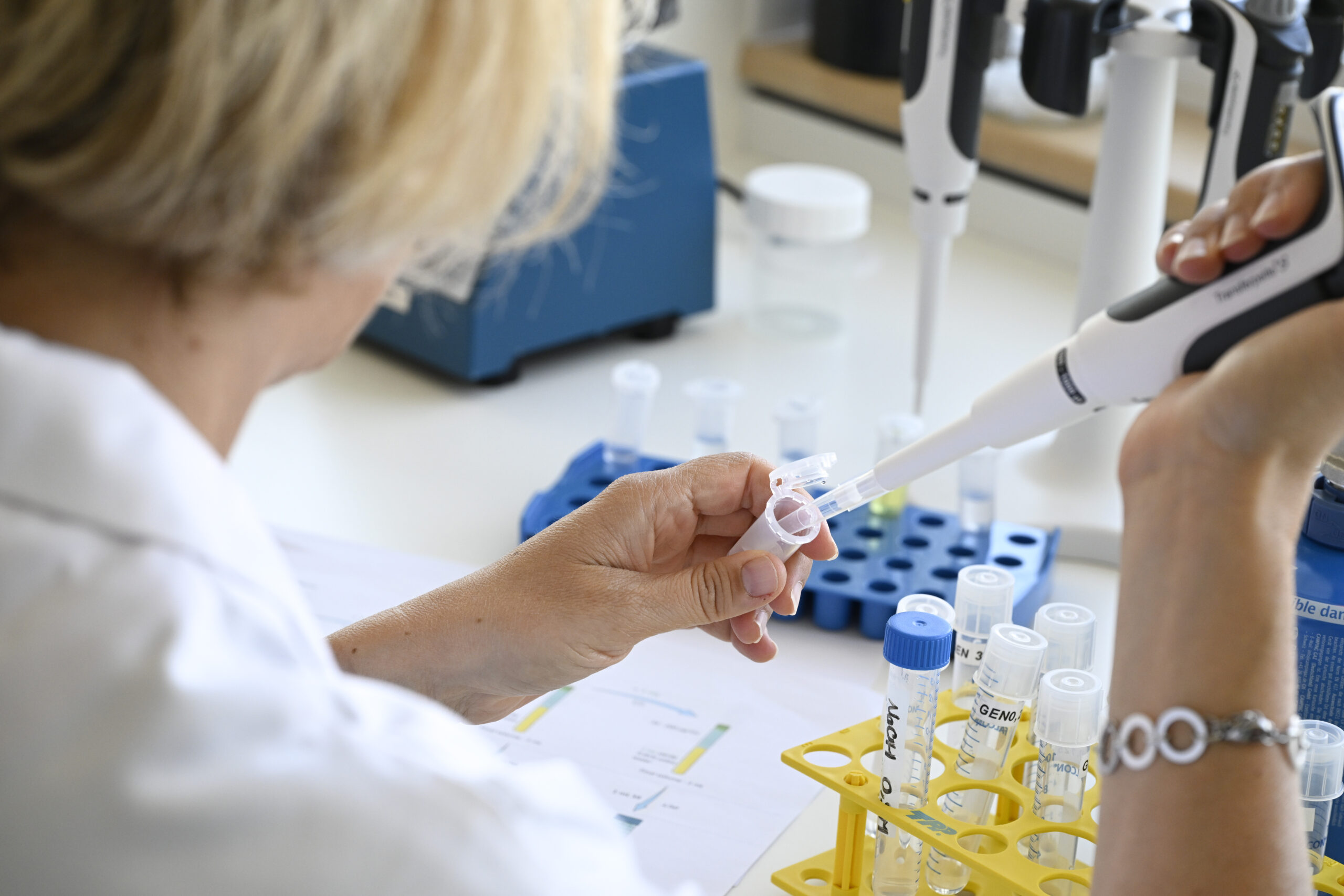
Identifying a contaminant is not enough. It is also necessary to understand how it responds to the solutions intended to control it. A cleaning or disinfection product may be effective in a theoretical setting, but less effective under real conditions of use: concentration, contact time, surface, matrix, organic load, biofilm or the sequence of process steps.
Smaltis can study the resistance of isolates to cleaning and disinfection products, compare several solutions and help interpret the results in light of field constraints.
The objective is to build a realistic prevention plan: which steps should be secured, which controls should be reinforced, which practices should be adapted, and how can it be verified that the risk of recurrence is truly decreasing?